How to Wash Bed Linen and Bedding Covers

The bed looks clean, but in reality, it is full of sweat, dust and bacteria. We spend a third of our lives in bed linen, but do we know how to care for it properly? Proper washing affects our health, sleep quality and the lifespan of our bedding. We will guide you through how to wash bed linen step by step.
It is recommended to wash bed linen every 1–2 weeks at 40–60 °C using hypoallergenic detergents without bleach or optical brighteners, and every 3–7 days at 60 °C for allergy sufferers. Bed linen is among the most contaminated textiles in the home – every day, we leave sweat, dead skin cells and cosmetic residues on it, creating ideal conditions for bacteria and dust mites. Effective washing therefore begins with choosing the right products, such as ISSENCIA laundry strips, which leave no residue and are also suitable for sensitive skin.
How Often to Wash Bed Linen
The bed is a place of rest, but also an environment where sweat, skin cells and dust accumulate during sleep. That is why bed linen should not be washed only when it feels necessary, but regularly. The general recommendation is to change and wash your bedding every 1 to 2 weeks. During the summer months or if you sweat more, wash it more frequently, even once a week.
How often you should wash bed linen also depends on your lifestyle. If you suffer from allergies or asthma, or have pets at home, it is recommended to wash your bedding as often as every 3 to 7 days. This applies especially to pillows and duvets, which are in direct contact with your skin and breathing.
Regular washing helps prevent the growth of dust mites, mould and bacteria. In addition, clean bedding retains its appearance, softness and freshness for longer – allowing you to enjoy healthier, better-quality sleep.
What Temperature to Wash Bed Linen and Bedding Covers At
The correct washing temperature is essential for both hygiene and the lifespan of your bedding. If you wash in water that is too cold, bacteria and allergens may remain in the fabric. Water that is too hot, on the other hand, can damage the material or cause colours to fade. How should you wash bedding covers correctly? It all depends on the material.
Recommended washing temperatures:
- Cotton bedding covers – ideally wash at 40–60 °C. This temperature reliably removes dirt and bacteria while remaining gentle on the fibres.
- Bedding for allergy sufferers or during illness – you can choose 60 °C. The higher temperature helps remove dust mites and microorganisms.
- More delicate materials (e.g. satin, linen, microfibre) – follow the manufacturer's recommendations on the care label. They are usually washed at 30–40 °C.
Remember: a higher temperature does not automatically mean a better wash. Many eco-friendly laundry strips are effective even at lower temperatures. ISSENCIA also recommends gentle washing that protects fabrics and saves energy.
Which Laundry Detergents to Use for Bed Linen
Choosing the right laundry detergent when washing bed linen is important not only for cleanliness, but also for the health of your skin and the lifespan of your textiles. We spend a third of the day in bed, in direct contact with the fabric. That is why bedding should not only be fresh, but also safe.
What Should You Avoid?
Conventional laundry powders and gels often contain strong fragrances, optical brighteners or bleach, which can leave residues in the fabric and, over time, cause skin irritation. This is especially true for people with sensitive or allergy-prone skin. In addition, brighteners can affect the colours of coloured bedding and lead to fading of patterns.
What Do We Recommend?
Our recommendation is simple: choose a gentle and effective solution that does not burden your skin or the environment. ISSENCIA laundry strips contain no unnecessary chemicals, are free from bleach, phosphates and microplastics, and their delicate, fresh Aqua Essence fragrance provides effective cleaning while replacing conventional laundry gels and powders.
They are also suitable for people with sensitive skin, children or allergy sufferers, thanks to their natural composition and easily dissolvable form, which leaves no residue in fabrics. Simple dosing without the risk of spills or overdosing is an additional advantage when washing larger loads of laundry.
When choosing a laundry detergent, focus especially on:
- Ingredients free from irritating substances
- Suitability for both coloured and white laundry
- Eco-friendly packaging and minimal waste
- Ease of use even with larger loads of laundry
If you are looking for an alternative to fabric softener, which can reduce a fabric's absorbency, try adding a few drops of ISSENCIA laundry fragrance oil directly to your wash – it will give your bed linen a pleasant fragrance and softness.
How to Properly Dry and Iron Bed Linen
Now that you know how to wash bed linen properly, it is also important to know how to dry and iron it correctly. Proper drying and ironing are essential not only for cleanliness, but also for maintaining the quality and comfort of your bedding while you sleep. The best method is drying in the fresh air, which is gentle on fibres and helps preserve a fresh scent. When hanging your bedding, however, avoid hanging it by the corners, as the fabric may become distorted. If you use a tumble dryer, choose a lower temperature and a gentle programme to prevent shrinkage or damage to the material.
When it comes to ironing, cotton bedding can withstand higher temperatures (around 200 °C), while materials such as linen, microflannel or crepe do not require ironing and, in some cases, ironing is not recommended. Always follow the care symbols on the product label. Modern textiles often retain a smooth appearance without ironing when washed correctly and dried gently; simply straighten them out neatly and store them in the wardrobe.
The Most Common Mistakes When Washing Bed Linen
Even small mistakes can damage bed linen over time or affect its cleanliness. Many people wonder how to wash bedding properly to avoid these mistakes. The most common ones include:
- Washing on a cycle that is too short, which does not rinse out the detergent thoroughly enough.
- Overloading the washing machine, preventing the laundry from being washed and rinsed properly.
- Using an unsuitable laundry detergent, such as one containing bleach on coloured bedding.
- Ignoring recommended temperatures – a temperature that is too low may not remove bacteria, while one that is too high can damage the material.
- Forgetting to fasten zips or failing to turn bedding inside out, which can lead to fabric wear.
By avoiding these mistakes, you can extend the lifespan of your bed linen and keep it fresh and pleasant to the touch.
Healthy Sleep Starts with Proper Washing
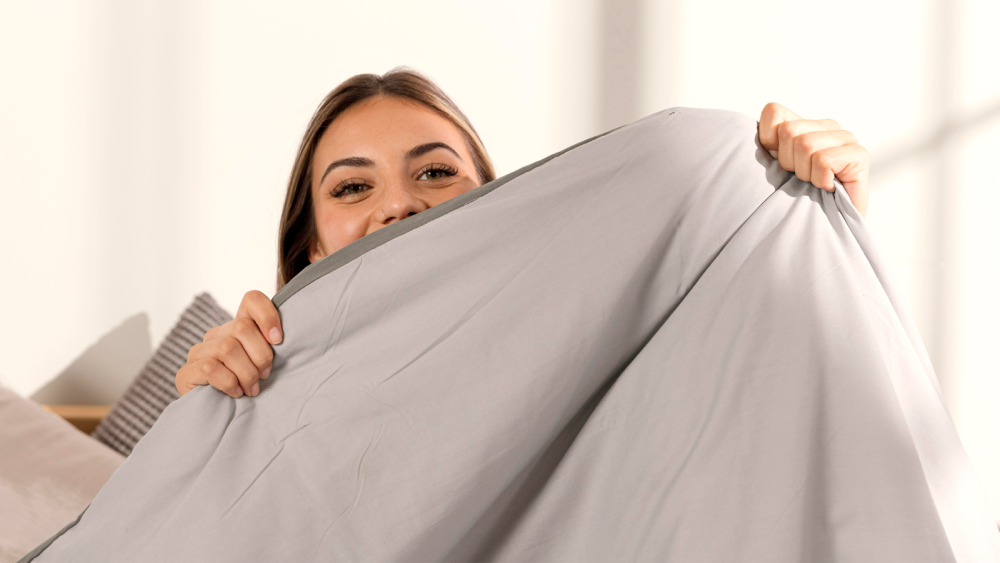
Washing bed linen properly is not just about cleanliness – it is an investment in your health and sleep quality. Every night, you spend hours in direct contact with your bedding, so it deserves the best possible care.
Choosing the right laundry detergents, washing regularly and following basic care guidelines will ensure not only hygienic cleanliness, but also a longer lifespan for your bed linen. For complete comfort in the bedroom, do not forget to wash your duvets and pillows regularly – read our article How to Wash Duvets and Pillows. You can also explore our complete collection of products for the home and create a routine that brings you peaceful sleep in a clean and fragrant environment.


