How to wash sportswear so it smells fresh?
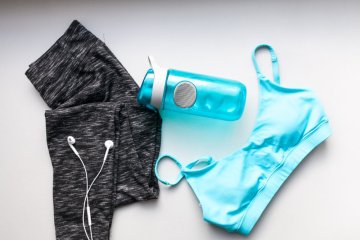
Does your performance T-shirt look clean after a run but still smell unpleasant? Does it lose its elasticity and stop “breathing” properly after just a few washes? If you’re wondering how to wash sportswear without fabric softener so that it smells fresh and stays hygienically clean, keep reading. We’ll show you practical steps that help protect both the fabric fibres and your skin.
Sportswear is different from everyday laundry. Synthetic materials designed to wick sweat away from your skin and keep you dry unfortunately have one unpleasant characteristic: they attract bacteria like a magnet. And it’s these bacteria that cause unpleasant odours that can seem almost impossible to get rid of. If you also wash your sportswear with fabric softener, it creates a coating on the fibres. The result? Reduced breathability and more unpleasant odours.
1. Avoid fabric softener
Sportswear is usually made from polyester, elastane, nylon or blends of these materials. These fabrics are designed to wick sweat away from the skin and dry quickly. And that’s exactly where the problem lies.
The fibres contain microscopic pores where sweat, body oils and bacteria can accumulate. Conventional laundry detergents and fabric softeners often fail to rinse them out completely. Do you use fabric softener on your sportswear because you want it to feel soft and smell fresh? That’s a mistake.
Fabric softener creates a coating on the fibres that:
- reduces moisture-wicking performance (your T-shirt stops “breathing” properly),
- traps bacteria in the fibres,
- reduces the performance of your sportswear.
Did you know…
… according to textile manufacturers, repeated use of fabric softener can reduce the moisture-wicking ability of synthetic fibres by tens of percent? That’s why most sportswear brands include “do not use fabric softener” on their care labels.
If you want fresh-smelling sportswear, the solution is a combination of laundry detergent sheets and laundry perfumes. The fragrance binds to the fabric without creating a sticky coating.
2. Pre-wash or soak your clothes before washing
Underarms, collars and the inside of leggings – these are the areas where the most sweat and bacteria tend to accumulate. Before washing:
- soak problem areas in lukewarm water with a little vinegar (1 : 4 ratio) for 15–30 minutes,
- or use ½ a laundry detergent sheet for a similar effect.
Now let’s move on to the wash itself. For the best results:
- fill the drum to no more than ⅔ of its capacity,
- select an extra rinse cycle.
Sportswear needs to be rinsed thoroughly to remove all detergent residue. Most washing machines have an “extra rinse” setting – use it. If yours doesn’t, run a separate rinse cycle after the main wash has finished.
TIP: High spin speeds can damage elastic fibres. Choose a lower spin speed (max. 800–1000 rpm) or use a “sportswear” or “synthetics” programme.
3. Choose the right temperature
Sportswear is best washed at 30 °C, with a maximum temperature of 40 °C. Higher temperatures can damage elastane and cause the fabric to lose its elasticity.
ISSENCIA laundry detergent sheets dissolve within just 3 seconds, even at 20 °C. That means no white marks on dark leggings and no detergent residue trapped between the fibres.
TIP: Wash sportswear separately from the rest of your laundry. Use 1 sheet for 4–5 kg of sportswear. If you’re only washing a few items after a workout, half a sheet is enough.
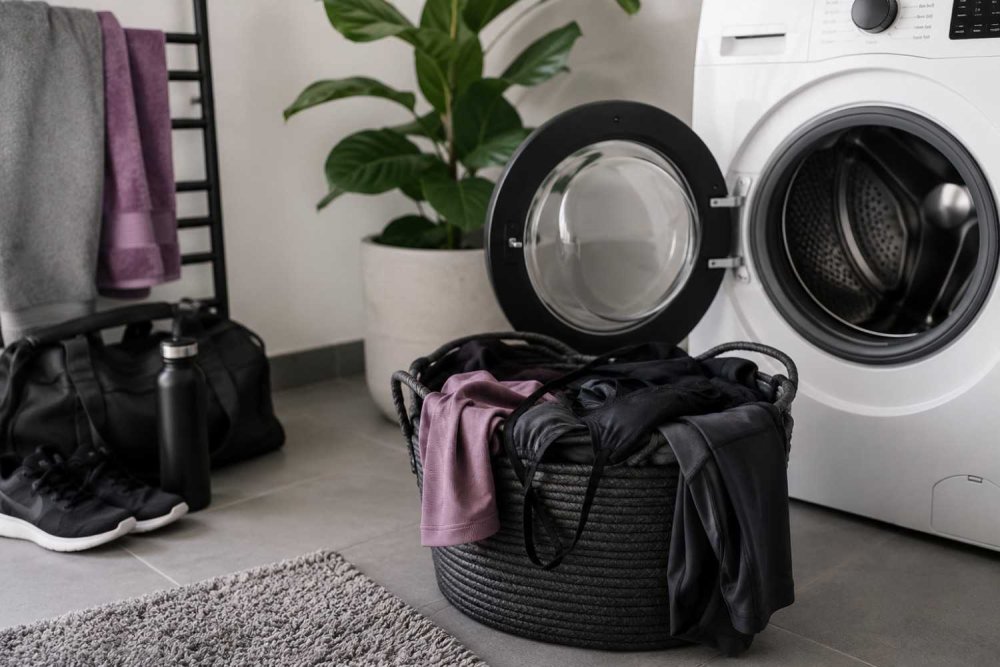
If you tend to throw sweaty clothes straight into the laundry basket after a workout, you’re definitely not helping matters. The longer damp clothes sit in the basket, the more bacteria multiply and cause unpleasant odours. When you get home, hang your clothes on a drying rack or at least spread them out so they can air out. Only put them in the laundry basket once they are dry.
4. Dry your sportswear properly
Did the washing machine finish an hour ago and you forgot to take the clothes out? You may need to wash them again. Bacteria thrive in damp conditions, so your clothes can quickly develop an unpleasant smell.
Instead, follow these recommendations:
- remove your laundry within 15 minutes of the cycle finishing,
- spread it out to dry in a well-ventilated area,
- avoid drying it on a radiator.
Only use a tumble dryer on a low heat setting. High temperatures damage elastic fibres and can cause leggings to lose their shape.
5. Take care of your washing machine too
Once a month, run an empty cleaning cycle at 60 °C. Why? Conventional fabric softeners can leave a slimy residue inside the drum – an ideal breeding ground for mould. By switching to detergent sheets and laundry perfumes that don’t leave deposits behind, you can eliminate one of the main sources of unpleasant odours.
How can you keep sportswear fresh without compromising its performance?
Washing sportswear isn’t complicated – it just requires a slightly different approach from everyday laundry. You need a detergent that:
- doesn’t contain fabric softener,
- doesn’t contain excessive amounts of oils or waxes,
- can penetrate synthetic fibres.
Laundry detergent sheets are an ideal solution. Why?
- They have a concentrated, water-free formula – so they don’t leave residue trapped in the fibres.
- They dissolve completely – even at lower temperatures, so there’s no need to wash at 60 °C.
- They’re easy to dose accurately – no guesswork, just 1 sheet for a full load.
If you want your clothes to have a more noticeable fragrance, pair your detergent sheets with a laundry perfume. The scent should be light, clean and subtle – something that leaves your clothes smelling fresh rather than simply masking the smell of sweat.
For sportswear, an ideal choice is Green Allure laundry perfume. It delivers a fresh, “green” fragrance reminiscent of morning dew and leaves your clothes smelling naturally fresh.
Make your sportswear last as long as your performance at the gym
Follow our recommendations on how to wash sportswear, and your favourite workout clothes will stay with you through many training sessions to come.


